

Starting your fitness journey can feel overwhelming, especially when you’re trying to understand which cardiovascular system activities as exercise routines will work best for your current fitness level. Your cardiovascular system includes your heart, blood vessels, and lungs working together to deliver oxygen throughout your body during physical activity.
The good news is that there are countless ways to strengthen your cardiovascular system through structured exercise routines. Whether you’re completely new to fitness or looking to add variety to your current workout plan, these 9 proven cardiovascular exercise routines will help you build endurance, burn calories, and improve your overall health.
Understanding Cardiovascular Exercise for Beginners
Before diving into specific cardiovascular system activities as exercise routines, it’s important to understand what makes an exercise “cardiovascular.” These activities elevate your heart rate and breathing for sustained periods, forcing your cardiovascular system to work harder and become stronger over time.
The key to success with any cardiovascular routine is starting at your current fitness level and gradually increasing intensity and duration. This progressive approach prevents injury while allowing your heart, lungs, and blood vessels to adapt safely to increased demands.
9 Effective Cardiovascular System Activities as Exercise Routines
1. Beginner Walking and Cycling Program
This foundational routine involves 10-15 minutes of moderate walking or cycling daily. Start with a pace that allows you to maintain conversation while exercising. Walking can be done anywhere without equipment, while cycling provides excellent low-impact cardiovascular benefits.
Begin with 10 minutes on day one, then add 1-2 minutes every few days until you reach 15 minutes. Once you can comfortably complete 15 minutes, you’re ready to progress to longer durations or slightly higher intensities.
2. Intermediate Cardio Foundation
The intermediate approach follows the CDC’s recommended guidelines of 150 minutes of moderate-intensity or 75 minutes of vigorous-intensity cardiovascular exercise weekly. This can be broken down into manageable sessions throughout the week.
For moderate intensity, aim for 30 minutes five days per week. For vigorous intensity, three 25-minute sessions will meet the weekly requirement. Mix different activities to prevent boredom and work various muscle groups.
3. Advanced High-Intensity Interval Training
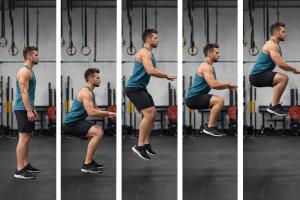
Advanced practitioners can benefit from high-intensity interval combinations that alternate between periods of maximum effort and recovery. A typical HIIT session might include 30 seconds of intense exercise followed by 90 seconds of light activity or rest.
These cardiovascular system activities as exercise routines are incredibly efficient, often providing superior benefits in shorter time frames compared to steady-state cardio. Start with 15-20 minute sessions and gradually increase duration as your fitness improves.
4. Running Progression Programs
Running progression follows a couch-to-5K style approach that gradually builds your running endurance over 8-12 weeks. Begin with alternating between walking and jogging intervals, slowly increasing the jogging portions while decreasing walking time.
Week one might involve 1 minute of jogging followed by 2 minutes of walking, repeated for 20 minutes. By week 9, you should be able to run continuously for 30 minutes or complete a 5K race distance.
5. Swimming Lap Workouts
Swimming lap workouts provide excellent low-impact cardiovascular exercise that’s easy on joints while working your entire body. Begin with 2-4 laps of easy freestyle swimming, rest for 30-60 seconds, then repeat for 15-20 minutes total.
As your swimming endurance improves, increase the number of continuous laps and introduce different strokes like backstroke, breaststroke, or butterfly to challenge different muscle groups and maintain interest in your routine.
6. Cycling Distance and Resistance Protocols
Cycling protocols can focus on either distance goals or resistance challenges. Distance-focused sessions might involve maintaining a steady pace for progressively longer rides, starting at 5 miles and building up to 15-20 miles over several weeks.
Resistance protocols use hill climbs or increased gear settings to create more challenging workouts in shorter time periods. Alternate between flat terrain and hills to create natural interval training effects.
7. Group Fitness Class Integration
Group fitness classes like aerobics, dance fitness, or spin classes provide structured cardiovascular workouts with social motivation. These classes typically last 45-60 minutes and combine cardio with strength training elements.
The social aspect of group classes helps many people stay motivated and consistent with their exercise routines. Most fitness centers offer beginner-friendly versions of popular classes to help newcomers build confidence.
8. Stair Climbing and Hiking Routines
Stair climbing and hiking offer functional cardiovascular exercise that translates well to daily activities. Start with 5-10 minutes of stair climbing, using building stairwells, stadium steps, or stair climbing machines.
Hiking routines should begin with flat or gently rolling terrain for 30-45 minutes before progressing to more challenging trails with elevation gains. Both activities provide excellent cardiovascular benefits while strengthening leg muscles.
9. Sport-Based Cardiovascular Activities
Sports like basketball, tennis, soccer, and racquetball provide engaging cardiovascular exercise that doesn’t feel like traditional “working out.” These activities combine skill development with cardiovascular conditioning through natural movement patterns.
Begin with 30-minute sessions focusing on basic skills and gradually increase playing time as your cardiovascular endurance improves. Many communities offer beginner-friendly leagues or pickup games for adults starting their fitness journey.
Common Mistakes When Starting Cardiovascular Exercise
One of the most common mistakes beginners make is starting too intensely, leading to burnout, injury, or discouragement. Your cardiovascular system needs time to adapt to increased demands, so patience with the process is essential.
Another frequent error is neglecting proper warm-up and cool-down periods. Spend 5-10 minutes gradually increasing your heart rate before intense exercise and the same amount of time slowly bringing it back down afterward.
Many people also make the mistake of doing the same cardiovascular activity every day, which can lead to overuse injuries and mental boredom. Variety in your cardiovascular system activities as exercise routines keeps both your body and mind engaged.
Essential Tips for Cardiovascular Exercise Success
Monitor your intensity using the “talk test” – you should be able to speak in short sentences during moderate-intensity exercise but not carry on a full conversation during vigorous-intensity work. This simple method helps ensure you’re working at appropriate levels.
According to the American Heart Association, consistency matters more than perfection. It’s better to exercise at moderate intensity regularly than to push yourself to exhaustion sporadically.
Track your progress using simple metrics like duration, distance, or perceived exertion levels. Seeing measurable improvements over time provides powerful motivation to continue with your cardiovascular exercise routine.
Remember to listen to your body and allow adequate recovery time between intense sessions. Your cardiovascular system grows stronger during rest periods, not just during exercise, so balance activity with appropriate recovery.
Building Your Long-Term Cardiovascular Fitness Plan
Success with cardiovascular system activities as exercise routines comes from finding activities you genuinely enjoy and can maintain long-term. Experiment with different types of exercise to discover what keeps you motivated and engaged.
Start with one or two of these 9 cardiovascular routines that match your current fitness level and interests. As you build confidence and endurance, gradually incorporate additional activities to create a well-rounded fitness program.
Remember that the best cardiovascular exercise routine is the one you’ll actually do consistently. Focus on building sustainable habits rather than pursuing perfect workouts, and celebrate the improvements you make along your fitness journey.