The cardiovascular system forms the engine of athletic performance. For fitness enthusiasts and competitive athletes alike, understanding and implementing effective cardiovascular system activities for athletes can be the difference between good performance and exceptional results.
Whether you’re a weekend warrior or training for elite competition, these 7 critical cardiovascular activities will transform your endurance capacity and competitive edge. Each method targets specific aspects of your cardiovascular fitness, creating a comprehensive approach to athletic excellence.
1. VO2max Testing and Training Zone Establishment
VO2max testing represents the gold standard for measuring cardiovascular fitness. This assessment determines your body’s maximum oxygen uptake capacity during intense exercise, providing the foundation for all other cardiovascular system activities for athletes.
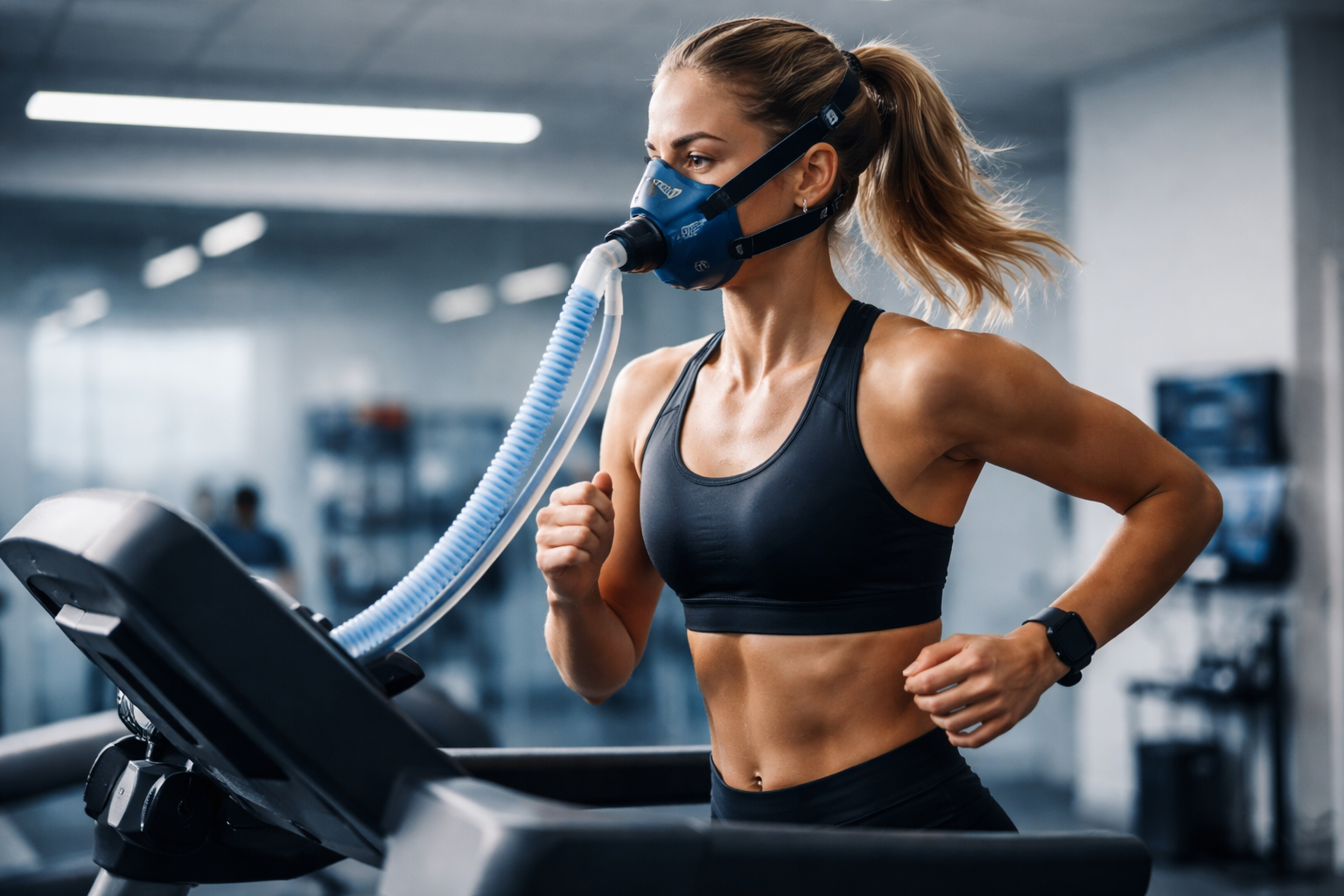
During VO2max testing, you’ll typically perform on a treadmill or stationary bike while wearing a mask that measures oxygen consumption. The test gradually increases intensity until you reach exhaustion, revealing your peak cardiovascular capacity.
Once established, your VO2max data helps create personalized training zones:
- Zone 1 (50-60% VO2max): Active recovery and base building
- Zone 2 (60-70% VO2max): Aerobic base development
- Zone 3 (70-80% VO2max): Tempo training
- Zone 4 (80-90% VO2max): Lactate threshold work
- Zone 5 (90-100% VO2max): Neuromuscular power
Training within these specific zones ensures you’re targeting the right energy systems for your athletic goals. According to research from the American College of Sports Medicine, zone-based training improves cardiovascular adaptations by 15-25% compared to unstructured workouts.
2. Sport-Specific Cardio Conditioning Programs
Generic cardio workouts won’t maximize your potential in your chosen sport. Sport-specific cardiovascular system activities for athletes mirror the energy demands and movement patterns of your discipline.
For basketball players, this might include repeated sprints with direction changes and jump sequences. Soccer athletes benefit from interval runs that simulate game pace with varying intensities. Swimmers need pool-based cardiovascular work that matches their stroke mechanics.
The principle of specificity ensures your cardiovascular improvements translate directly to competitive performance. Your heart, lungs, and muscles adapt to the exact demands you’ll face during competition.
Creating Your Sport-Specific Program
Start by analyzing your sport’s energy demands. Most team sports require 70-80% aerobic capacity with bursts of anaerobic power. Endurance sports demand sustained aerobic output with tactical surges.
Design workouts that replicate these patterns. If your sport involves 30-second high-intensity efforts followed by 90-second recovery periods, structure your cardiovascular training accordingly.
3. High-Intensity Interval Training (HIIT) Protocols
High-Intensity Interval Training stands among the most effective cardiovascular system activities for athletes seeking rapid improvements in both aerobic and anaerobic capacity.
HIIT alternates between periods of maximum effort and active recovery. This approach stimulates multiple energy systems simultaneously, creating superior cardiovascular adaptations compared to steady-state cardio.
Proven HIIT Protocols for Athletes
4×4 Protocol: Four 4-minute intervals at 85-95% maximum heart rate with 3-minute recovery periods. This Norwegian method has shown remarkable results in elite athletes.
30-15 Protocol: Thirty seconds at maximum effort followed by 15 seconds of easy pace. Repeat for 10-15 cycles. This protocol closely mimics many sport demands.
Tabata Method: Twenty seconds all-out effort, 10 seconds rest, repeated for 8 rounds. While brief, this protocol dramatically improves both aerobic and anaerobic capacity.
Research from the National Institutes of Health demonstrates that HIIT can improve VO2max by 10-15% in just 6-8 weeks when properly implemented.
4. Lactate Threshold Development Workouts
Your lactate threshold represents the exercise intensity where lactate begins accumulating faster than your body can clear it. Improving this threshold is crucial for sustained high-intensity performance.
Lactate threshold workouts typically involve sustained efforts at 80-90% maximum heart rate. These cardiovascular system activities for athletes teach your body to work efficiently at higher intensities while managing metabolic byproducts.
Effective Lactate Threshold Sessions
Tempo Runs: 20-40 minute sustained efforts at lactate threshold pace. You should feel “comfortably hard” – able to speak only a few words at a time.
Cruise Intervals: 5-8 minute intervals at lactate threshold intensity with 2-3 minute recovery periods. These allow for higher quality work at the target intensity.
Progressive Builds: Start at an easy pace and gradually increase intensity every 5-10 minutes until reaching lactate threshold. Hold this pace for 10-20 minutes.
5. Cross-Training for Injury Prevention
Cross-training incorporates different cardiovascular activities to reduce injury risk while maintaining fitness gains. This approach prevents overuse injuries common with repetitive training patterns.
Swimming provides excellent cardiovascular benefits with minimal joint stress. Cycling offers high-intensity options while giving running muscles a break. Rowing engages the entire body while building cardiovascular capacity.
Elliptical machines, stair climbers, and other cardio equipment provide variety while maintaining training specificity. The key is choosing activities that complement rather than compete with your primary sport demands.
Cross-Training Benefits
- Reduced overuse injury risk
- Maintained cardiovascular fitness during injury recovery
- Enhanced overall movement quality
- Mental refreshment from training variety
- Improved weak link development
6. Altitude Training Simulation Exercises
Altitude training or hypoxic training challenges your cardiovascular system by reducing available oxygen. This stress forces adaptations that improve oxygen utilization efficiency and red blood cell production.
While living at altitude isn’t practical for everyone, several methods simulate these conditions. Altitude masks, hypoxic tents, and specialized training facilities can provide similar benefits.
The principle behind altitude training involves forcing your cardiovascular system to work harder with less oxygen. This stress stimulates the production of additional red blood cells and improves oxygen extraction efficiency.
Altitude Training Methods
Live High, Train Low: Sleep at simulated altitude while training at sea level. This approach maximizes adaptation while maintaining training intensity.
Intermittent Hypoxic Training: Brief exposure to reduced oxygen during specific workouts. This method provides altitude benefits without the fatigue associated with continuous exposure.
7. Recovery Optimization with Active Cardio
Active recovery represents one of the most underutilized cardiovascular system activities for athletes. Low-intensity movement enhances blood flow, accelerates metabolic waste removal, and maintains cardiovascular adaptations between intense sessions.
Active cardio sessions should feel easy and restorative. Think gentle cycling, easy swimming, or walking. The goal is promoting recovery rather than adding training stress.
These sessions should remain in Zone 1 intensity – you should be able to hold a normal conversation throughout the activity. Duration can range from 20-60 minutes depending on your recovery needs.
Active Recovery Guidelines
- Keep intensity very low (50-60% maximum heart rate)
- Focus on movement quality over quantity
- Choose activities you enjoy
- Listen to your body’s fatigue signals
- Use these sessions for mental relaxation
Common Mistakes to Avoid
Many athletes sabotage their cardiovascular development through common training errors. Understanding these mistakes helps optimize your cardiovascular system activities for athletes.
Training too hard too often prevents proper adaptation and increases injury risk. Most cardiovascular training should feel moderate rather than exhausting.
Ignoring recovery between sessions limits adaptation and leads to overtraining. Your cardiovascular system needs time to absorb training stress and become stronger.
Lack of progression keeps athletes stuck at current fitness levels. Gradually increasing duration, intensity, or frequency ensures continued improvement.
Poor fueling and hydration compromise cardiovascular function during training. Proper nutrition supports optimal adaptation and performance.
Inconsistent training prevents the cumulative adaptations that create elite cardiovascular fitness. Regular, consistent effort trumps sporadic intense sessions.
Essential Tips and Advice
Maximizing your cardiovascular system activities for athletes requires strategic implementation and attention to detail. These practical tips ensure optimal results from your training investment.
Start conservatively and build gradually. Your cardiovascular system adapts over weeks and months, not days. Patient progression prevents injury and ensures sustainable improvement.
Monitor your heart rate during training to ensure you’re working in the correct zones. Heart rate monitors or smartwatches provide real-time feedback for optimal training intensity.
Periodize your training with planned phases of building, intensity, and recovery. This approach maximizes adaptations while preventing overtraining and burnout.
Pay attention to sleep quality as this directly impacts cardiovascular recovery and adaptation. Aim for 7-9 hours of quality sleep nightly.
Include variety in your cardiovascular training to prevent mental staleness and ensure comprehensive fitness development. Rotate between different activities and intensities.
Listen to your body and adjust training based on how you feel. Some days require easier efforts, while others allow for high-intensity work.
Conclusion
These 7 cardiovascular system activities for athletes provide a comprehensive framework for developing elite endurance capacity. From VO2max testing to recovery optimization, each component plays a crucial role in maximizing your athletic potential.
Remember that cardiovascular fitness develops gradually through consistent, intelligent training. Focus on proper progression, adequate recovery, and sport-specific adaptations to achieve your performance goals.
Start implementing these strategies today, and watch your cardiovascular capacity transform your athletic performance. Your future competitive success depends on the cardiovascular foundation you build now.